How to Transport Artwork on a Plane: Complete Travel Guide

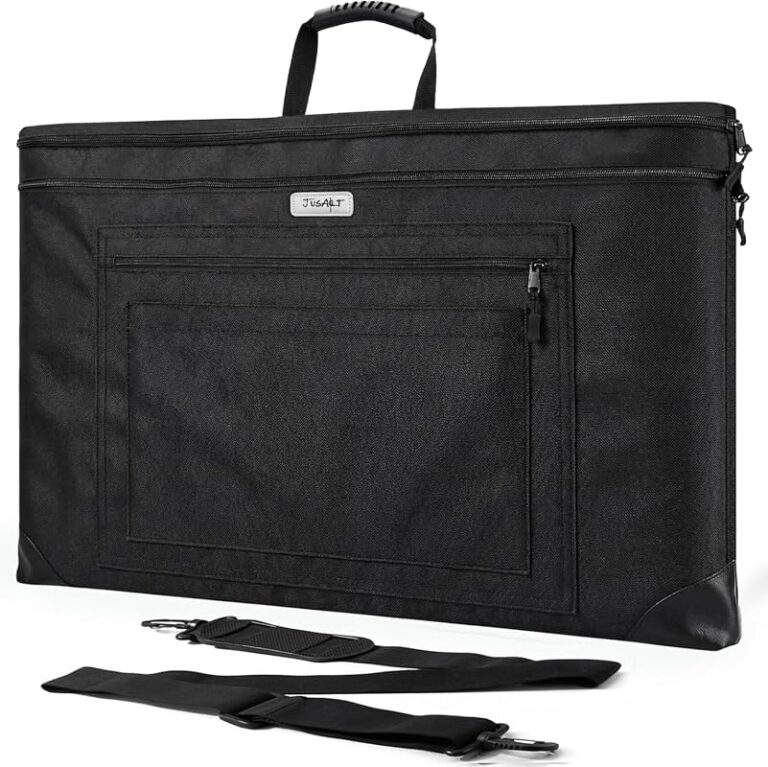
Use a rigid, airline-compliant art transport case and pack the artwork with archival, non-abrasive materials. Confirm the airline’s carry-on or checked-baggage rules before you fly.
how to transport artwork on a plane starts with one decision: choose a rigid, airline-compliant case that protects the piece from impact, pressure changes, and rough handling. From there, the safest method depends on the artwork’s size, surface, and whether it can travel in the cabin, as checked baggage, or only in a custom crate.
- Best protection: A hard-sided case with snug internal support reduces impact, vibration, and compression risk.
- Material choice: Aluminum, composite, and polymer cases each balance weight and durability differently.
- Artwork type matters: Works on paper, framed pieces, and mixed media need different packing strategies.
- Airline rules matter: Verify current size and baggage policies before departure, not after packing.
How to Transport Artwork on a Plane: The Safest Approach for Artists, Collectors, and Buyers
Start with the core answer: use a rigid, airline-compliant art transport case, protect the artwork internally, and confirm carry-on or checked-baggage rules before you travel
The safest approach is simple: pack the artwork in a hard-sided case or portfolio designed for transit, then verify the airline’s current carry-on dimensions, checked-bag rules, and any restrictions on oversized or fragile items. The exact setup should match the work itself—what protects a small print may be inadequate for a framed painting or mixed-media piece.
For most travelers, the goal is not just to keep the artwork clean. It is to keep it flat, stable, and isolated from vibration, compression, and moisture while moving through airports, aircraft holds, and ground handling. If the work is especially valuable or delicate, specialist art shipping may be safer than standard airline baggage.
What to Look for in an Artwork Transport Case for Air Travel
Rigid shell protection, impact resistance, and pressure tolerance for modern airline handling
A plane-safe artwork case should have a rigid exterior that resists crushing, flexing, and corner impacts. Aluminum, reinforced composite, and high-density polymer are common case materials, but the best choice depends on how much protection you need versus how much weight you can carry.
Air travel introduces repeated handling points: check-in, security screening, loading, transfer, and baggage claim. A soft portfolio can work for some paper works, but a rigid shell is generally better when the piece cannot be bent, dented, or compressed.
Interior cushioning, acid-free materials, and moisture protection for paintings, prints, and framed work
The inside matters as much as the shell. Look for archival or acid-free contact surfaces, foam that supports the work evenly, and enough clearance so the artwork does not rub against the lid or base. If the case uses removable inserts, that is useful because it lets you adapt the interior to different sizes.
Moisture protection is also important. A sealed case can help reduce exposure to humidity swings, but it should not trap damp materials against the artwork. If you pack with tissue, wrap, or foam, make sure everything in direct contact is clean, dry, and archival where appropriate.
Manufacturer descriptions may use terms like “archival,” “museum-grade,” or “protective” loosely. Check the actual materials list, interior dimensions, and closure design before relying on those claims.
Size, weight, and airline compliance: choosing a case that fits cabin or cargo requirements
Airline compliance is often the deciding factor. A case may be excellent for protection but still be too large for overhead storage, too heavy for comfortable carrying, or too big for the airline’s carry-on limits. Measure the artwork first, then add room for padding and any protective board or frame.
For cabin travel, compact and slim cases are usually the easiest to manage. For checked transport, a larger rigid case can offer better padding, but the risk of impact rises. Always confirm the airline’s current rules directly before departure, since baggage policies vary by carrier and route.
Security features, labeling, and TSA-friendly access considerations
Good transport cases should close securely without creating a hassle at screening. A lockable latch can be useful, but it should not make inspection impossible. If the case may need to be opened for security, choose a design that can be reclosed cleanly without disturbing the artwork.
Label the outside clearly with your name, destination, and “fragile” or “fine art” handling guidance, but avoid overloading the case with cluttered stickers. Keep documentation inside and outside, including condition notes, insurance information, and any paperwork the airline or customs process may require.
Paper, canvas, and framed works can react differently to humidity and pressure changes, which is why a single packing method rarely suits every artwork type.
Choosing the Right Case for Your Artwork Type and Travel Scenario
Paintings, stretched canvases, and framed works: when flat-packed protection is enough and when a hard case is essential
Smaller paintings on stable supports may travel safely in a flat-packed setup if they are well protected and the case prevents bending. Once a work becomes framed, glazed, or more exposed at the edges, a hard case becomes much more valuable because corners and glazing are common failure points.
For stretched canvases, the main concern is pressure on the surface and frame. If the canvas surface sits close to the lid or another object, even slight compression can leave marks. A rigid case with internal spacing is the safer choice when the work is not replaceable.
Works on paper, photography, and limited editions: keeping surfaces flat, clean, and vibration-safe
Works on paper are often more vulnerable to creasing than people expect. Photography, prints, and limited editions should stay flat, clean, and shielded from abrasion. Interleaving with acid-free paper or archival tissue helps prevent sticking and surface transfer, especially if the print has a delicate finish.
Vibration is another concern. A snug interior with even support reduces movement better than loose padding stuffed around the edges. If the piece is signed, numbered, or has a sensitive surface, avoid materials that can scuff or leave residue.
For readers planning to display the work after arrival, our guide on how to display framed art on a console table can help you think through placement and styling once the piece is safely home.
Oversized pieces, mixed media, and fragile surfaces: when custom crating or specialist freight is the better option
Not every artwork should travel as standard baggage. Oversized pieces, sculptural works, mixed media with protruding elements, and surfaces that cannot tolerate compression often do better in custom crating or specialist freight. This is especially true when the work has irregular depth, fragile attachments, or materials that shift under vibration.
If a case would need to be overstuffed, improvised, or forced to fit, that is usually a sign to stop and choose another shipping method. The safer solution is the one that leaves the artwork with enough breathing room to survive the trip without pressure.
Who this fits best: artists, gallery buyers, dealers, collectors, and exhibition travelers
Air travel packing is most useful for people who need to move art personally and on a schedule: artists flying to fairs, collectors bringing home a purchase, dealers carrying a small selection of works, or exhibition visitors transporting a newly acquired piece. It is also helpful for anyone who wants more control than standard courier shipping provides.
That said, the best method depends on how often you travel and how valuable the work is. If you move art regularly, a durable case can be worth the investment. If you only travel once and the piece is highly fragile, a specialist shipment may offer better peace of mind.
- Match the case size to the artwork with enough padding room, not extra empty space.
- Choose lighter cases when you expect to carry them through terminals or connections.
- Keep a second set of archival materials on hand for repacking at the destination.
Materials and Specifications That Matter Most in 2026
Common case materials: aluminum, reinforced composite, and high-density polymer
Aluminum cases are valued for rigidity and a professional feel, but they can be heavier than some alternatives. Reinforced composite and high-density polymer options may offer a better balance of weight and durability, especially for travelers who need to move quickly through airports.
There is no universal “best” material. The right one depends on the size of the artwork, the distance traveled, and whether the case will be reused. When comparing models, check the construction details rather than relying on broad marketing language.
Internal build quality: foam density, archival lining, corner protection, and adjustable inserts
Internal build quality is where many cases succeed or fail. Foam should support the artwork without crushing it, and inserts should hold the piece in place without forcing contact at vulnerable points. Corner protection is especially important for framed work, since corners often take the first hit during handling.
Adjustable interiors are useful because artwork rarely comes in one fixed size. They let you adapt the case for different works while maintaining a secure fit, which is especially valuable for collectors and dealers who transport mixed dimensions.
Do not rely on loose bubble wrap, ordinary packing foam, or non-archival paper directly against sensitive surfaces. Materials that seem harmless can leave texture marks, residue, or abrasions after a long flight.
Weather and climate defense: sealing, desiccant use, and temperature-change management
Aircraft cabins and cargo areas can involve abrupt temperature and humidity changes. A well-sealed case helps reduce exposure, but it does not eliminate climate stress entirely. For that reason, many travelers add desiccant packs where appropriate and let the artwork acclimate after arrival before unsealing or displaying it.
Temperature-change management matters most for works with delicate media, stretched supports, or frames that may expand and contract. Avoid opening the case immediately after stepping into a dramatically different climate unless the artwork instructions specifically suggest otherwise.
Durability versus portability: balancing protection with carry comfort and airline weight limits
The most protective case is not always the most practical one. Heavy shells, thick foam, and oversized handles can become difficult to manage in real airport conditions. If you need to move through terminals alone, portability may matter almost as much as impact resistance.
Look for recessed handles, secure latches, and a profile that is easy to lift into overhead storage or onto baggage scales. A case that is too awkward to carry may invite rough handling simply because it is harder to manage.
How to Pack Artwork for a Flight Without Damaging It
Surface preparation: glazing, protective interleaving, and avoiding direct contact with artwork
Before packing, make sure the artwork surface is clean and dry. If the work is glazed, protect the front from pressure and the back from shifting. If it is unglazed, use archival interleaving only where appropriate and never place a rough or adhesive material directly against the art.
Direct contact is the enemy of safe transport. Even a small amount of friction inside the case can leave visible wear by the time you land.
Layering the package: acid-free wrap, corner guards, shock absorption, and case positioning
Use archival or acid-free materials where needed, and make sure nothing tacky, dusty, or abrasive touches the artwork.
Add corner guards or edge support so the most vulnerable points do not bear the full impact of handling.
Position the artwork so it cannot slide, bow, or press against the lid when the case is moved or stacked.
Layering should feel controlled, not bulky. The aim is to create a stable package that absorbs shock while keeping the artwork centered and separated from hard surfaces. If the case has adjustable supports, use them to minimize movement rather than adding more loose padding.
Documentation and labeling: condition notes, insurance records, and “fragile” handling guidance
Before travel, record the artwork’s condition with notes and photographs for your own records. Keep insurance paperwork, purchase documents, and any shipment references in a separate folder so they are easy to access if needed.
Labeling should be clear but practical. “Fragile” or “Fine Art” labels may help, but they do not replace proper packing. For valuable works, the paperwork is often just as important as the padding.
For artists who travel with multiple works or study materials, our guide on how to use an art portfolio presentation case offers useful context on keeping flat works organized and protected in transit.
Common packing mistakes to avoid, including loose fit, overcompression, and using non-archival materials
The most common mistakes are easy to make: too much empty space, too much pressure, and the wrong materials. A loose fit allows movement and abrasion, while overcompression can leave dents, crease lines, or frame stress.
Another frequent issue is mixing archival and non-archival supplies. If the artwork matters enough to protect on a flight, it is worth using materials that will not introduce new damage during the trip.
Comparing Artwork Transport Options: Carry-On Case, Checked Case, or Custom Crate
Carry-on transport: best for smaller, high-value, or especially delicate pieces
Carry-on transport is often the most controlled option because the artwork stays with you through the journey. It is especially appealing for smaller works, rare editions, and pieces that are too delicate to trust to baggage handling.
The limitation is obvious: not every piece fits cabin rules. If the work exceeds size limits, you may need to rethink the format or choose another transport method.
Checked baggage cases: when they work, and the risks to watch for
Checked baggage can work for sturdy, well-packed artwork that fits securely in a rigid case. It may be a practical solution for pieces that are not fragile enough to justify freight, especially when the traveler needs to move hands-free through the airport.
The tradeoff is exposure to impact, stacking, and variable handling. Even a strong case cannot prevent every risk, so checked transport is best reserved for works that can tolerate more than one layer of protection.
Custom crates and freight services: the right choice for museum-grade or large-format artwork
Custom crates are the most specialized option and often the safest for museum-grade, large-format, or unusually fragile artwork. They can be built around exact dimensions and support needs, which reduces movement and helps protect edges, surfaces, and protruding elements.
Freight services may also be the better choice when timing is less important than certainty. If the artwork is irreplaceable or difficult to repair, the added cost and coordination can be justified by the lower risk.
Transparent verdict: which option offers the best value, safety, and convenience for most travelers
- Carry-on offers the most control for smaller works.
- Rigid checked cases can be practical for sturdy pieces.
- Custom crates deliver the highest level of tailored protection.
- Carry-on is limited by airline size rules.
- Checked baggage adds handling risk.
- Custom crating is less convenient and usually the most involved option.
For most travelers, a purpose-built rigid case is the best balance of protection and convenience. It is strong enough for real-world travel, more manageable than a crate, and often more practical than relying on standard luggage alone.
Styling, Presentation, and Post-Flight Care for Artwork and Cases
How to present transported artwork at a destination exhibition, collector’s home, or studio
Once the artwork arrives, presentation should begin with patience. Let the piece acclimate, inspect the packaging, and only then move on to display or installation. If the work is headed to an exhibition or collector’s home, plan the final placement in advance so you are not rushing to unbox and hang it.
For works that will be displayed on arrival, a clean, uncluttered setting helps the art read clearly. If you are arranging several framed pieces, our guide on how to arrange frames on a picture ledge without clutter can help you keep the final display balanced rather than crowded.
Matching frames, mats, and display choices to existing decor after arrival
Transported art often looks best when the frame and mat are chosen to suit the destination space, not just the original packing plan. Neutral mats and simple frames tend to adapt easily to different interiors, while more decorative choices can work when the room already has a strong style direction.
If the artwork is moving into a home with existing lighting or wall art, think about how it will sit alongside the rest of the room rather than treating it as a standalone object. A thoughtful frame choice can make the piece feel intentional in its new setting.
Inspection after landing: checking for warping, pressure marks, moisture, and frame movement
After landing, inspect the work before hanging or storing it. Look for warping, pressure marks, loose corners, frame movement, and any sign of moisture exposure. If the artwork traveled through a large temperature change, allow it time to settle before making any final judgment about the surface or support.
If anything seems off, document it immediately and contact the relevant shipper, insurer, or seller if needed. Early inspection is one of the easiest ways to catch transit damage while the evidence is still clear.
Cleaning and maintenance of the transport case for repeated use
A reusable case should be cleaned and checked after every trip. Remove dust, inspect the foam or lining, and replace any materials that have become compressed, dirty, or damaged. Hinges, latches, and handles should also be checked so the case remains dependable for the next journey.
Store the case in a dry place away from direct sunlight and heavy stacking. If the case is part of your regular travel routine, a little maintenance will extend its life and help protect the artwork more consistently over time.
Final Recommendation: The Best Way to Transport Artwork on a Plane in 2026
Why a purpose-built artwork transport case offers the strongest balance of protection, practicality, and long-term value
For most artists, collectors, and buyers, a purpose-built artwork transport case offers the best overall balance of safety, convenience, and repeat use. It is more protective than improvised packing, easier to manage than a custom crate, and better suited to airline travel than standard luggage.
The key is to match the case to the artwork, not the other way around. If the piece is small and resilient, a compact carry case may be enough. If it is valuable, fragile, or framed, a rigid case with archival interior support is usually the smarter choice.
When to upgrade to custom packing or specialist art shipping for complete peace of mind
Upgrade to custom packing or specialist freight when the artwork is oversized, highly fragile, unusually shaped, or too valuable to risk standard baggage handling. That is also the better route when airline rules make a safe carry solution impractical.
In short, the best answer to how to transport artwork on a plane is to choose the least risky method that still fits the airline rules and the artwork’s physical needs. For many travelers, that means a rigid transport case; for the most delicate works, it means going beyond ordinary baggage altogether.
- Use a rigid, airline-compliant case and pack the artwork with archival, non-abrasive materials.
- Choose carry-on, checked baggage, or custom crating based on the work’s fragility and size.
- Inspect the piece after landing and keep the case maintained for future trips.
Common Questions
Frequently Asked Questions