Is Drawing Healthy for Your Brain and Why It Matters

Yes. Drawing can support focus, coordination, stress relief, and creative thinking when practiced regularly.
It is especially useful in a home office when the setup is comfortable, uncluttered, and easy to keep using.
Is drawing healthy for your brain? In many cases, yes: it can support attention, memory, stress relief, and creative thinking without needing expensive tools or a big time commitment. For a home office, that makes drawing one of the simplest habits to build into a calmer, more focused day.
- Brain benefits: Drawing can engage attention, memory, coordination, and flexible thinking.
- Best habit style: Short, repeatable sessions are more useful than occasional long ones.
- Workspace matters: Good lighting, posture, and low clutter help the habit feel sustainable.
- Tool choice: Simple, comfortable supplies usually work better than overly complex kits.
- Important limit: Drawing can support well-being, but it is not a medical treatment.
Is Drawing Healthy for Your Brain? The Short Answer and Why It Matters
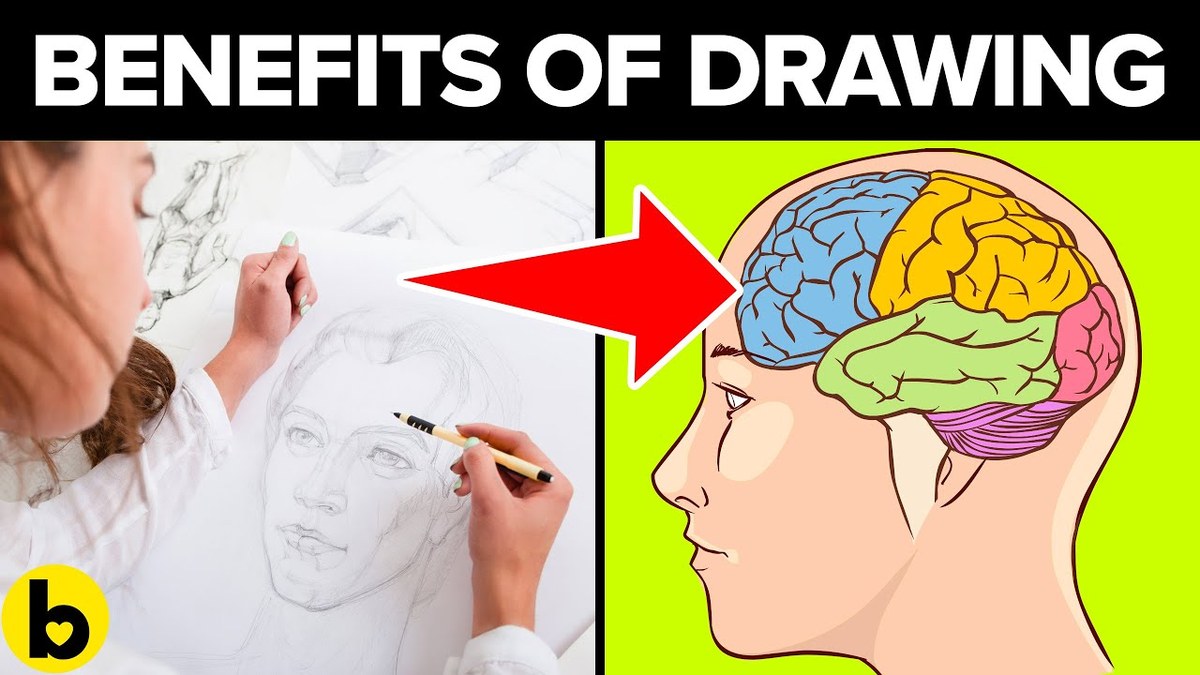
Drawing is generally considered a brain-friendly activity because it asks you to observe, decide, coordinate, and refine all at once. That combination can engage visual processing, motor control, and working memory in a way that feels more active than passive screen time.
What matters most is not whether every sketch looks polished. The brain benefits come from the process: noticing details, making small choices, and repeating a task that is focused but not overwhelming.
How Drawing Supports Brain Health in 2026
A hand draws in a notebook beside art supplies on a desk.
In a work-from-home world filled with tabs, notifications, and constant context switching, drawing offers a rare kind of single-task focus. It can work as a short reset between meetings, a quiet evening habit, or a low-pressure creative practice that gives your mind something concrete to do.
Attention, memory, and hand-eye coordination
Drawing asks you to look closely and translate what you see into marks on paper. That process can strengthen sustained attention because you have to stay with one subject long enough to notice proportion, shape, and spacing.
It also supports working memory in a practical way. You may hold a few visual details in mind while your hand moves, then compare the result and adjust it. That back-and-forth is part of why sketching can feel mentally engaging even when the subject is simple.
If you are choosing supplies for this kind of practice, a good starting point is a comfortable pencil set and a sketchbook that suits your daily routine. Our guide to best drawing pencil sets for fine art beginners can help if you want a basic setup without overbuying.
Stress reduction and emotional regulation
Drawing can be calming because it gives your hands and mind a shared task. That can help shift attention away from rumination, especially when you are sketching something simple and repetitive rather than trying to make a finished piece.
For many people, the emotional benefit comes from rhythm and predictability. Short drawing sessions can create a sense of structure, which is especially useful in a home office where work and personal time often blur together.
If your goal is stress relief, choose subjects that are easy to begin: mugs, plants, books, windows, or simple geometric shapes. Low-pressure subjects make it easier to build consistency.
Creativity, problem-solving, and cognitive flexibility
Drawing is also a gentle form of problem-solving. You decide what to leave out, what to emphasize, and when to stop correcting. Those small judgment calls can support cognitive flexibility, which is the ability to adapt when an idea does not work the first time.
That flexibility is useful beyond art. It can translate into better brainstorming, more adaptable planning, and a less rigid response when a project changes direction. If you work in a creative or desk-based role, drawing can become a useful mental warm-up before deeper work.
Who Benefits Most From Drawing as a Brain-Healthy Habit
Almost anyone can benefit from drawing, but some groups tend to get especially practical value from it. The habit is flexible enough to support learning, focus, relaxation, and long-term creative maintenance.
Students, professionals, and older adults
Students may use drawing to reinforce observation and memory, especially when sketching diagrams, objects, or visual notes. Professionals often use it as a mental break that still feels productive, which can be more restorative than scrolling.
Older adults may appreciate drawing because it is accessible, adjustable, and easy to scale to different energy levels. A few minutes of sketching can be enough to feel engaged without creating physical strain, provided the setup is comfortable.
Drawing is often easier to sustain than many hobbies because it requires very little setup, and that low barrier can make it more consistent over time.
Best fit for home offices, studios, and quiet corners
Drawing works especially well in spaces where you already spend time thinking. A home office desk, a small studio table, or even a quiet corner near natural light can become a reliable place to sketch for 10 or 15 minutes.
If your space is compact, the key is not having a full art room. It is having a surface, a chair, and a small set of supplies that are easy to reach and easy to put away.
What to Look For in Drawing Tools and Materials
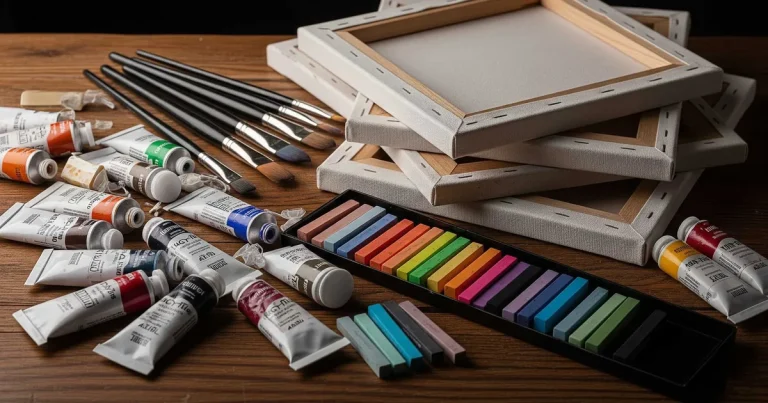
Drawing tools and materials arranged on a table for comparison.
The right tools do not need to be expensive, but they should feel comfortable and support repeat use. For brain-health habits, the best supplies are the ones you will actually keep within reach.
Pencils, pens, sketchbooks, and paper quality
Pencils and pens should feel smooth enough to encourage use, but not so specialized that they make practice feel intimidating. Sketchbook paper quality matters more than many beginners expect, especially if you want to avoid feathering, show-through, or paper that buckles too easily.
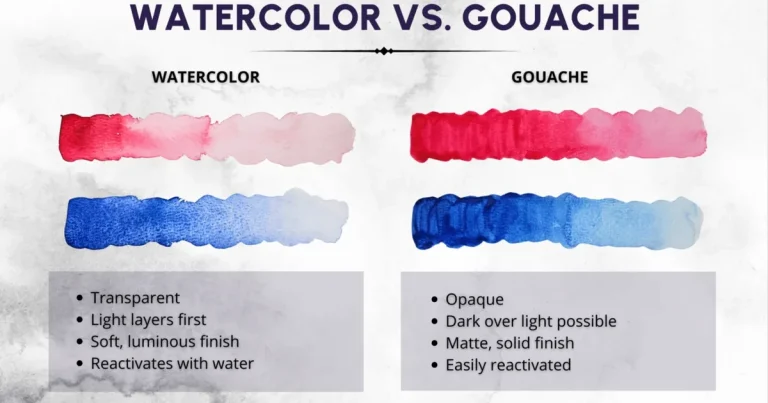
Paper choice also depends on your medium. A simple graphite sketchbook may be enough for daily drawing, while mixed-media or watercolor-style paper makes more sense if you use ink washes or heavier layering. If you are unsure about paper storage and preservation, Hurrell Editions also has a helpful guide on acid-free paper for art storage.
Ergonomics, portability, and desk-friendly setups
Comfort matters because a brain-healthy habit should not create a neck, wrist, or shoulder problem. Look for tools that let you keep a relaxed grip and a natural posture, especially if you draw at a desk for long stretches.
Portability is useful if you like to move between rooms or sketch during breaks. A small pouch, a lightweight sketchbook, and a few core tools can make the habit feel easier to start and easier to maintain.
- Choose a sketchbook size that matches how you like to draw, not just what looks convenient.
- Check whether the paper works for graphite, ink, or mixed media.
- Look for tools that feel comfortable in your hand during longer sessions.
- Confirm any product details, finishes, or materials on the official listing before buying.
Value, durability, and beginner-friendly features
For most people, value means a tool that stays usable after the novelty wears off. A durable sketchbook cover, reliable binding, and paper that tolerates erasing or layering can matter more than flashy packaging.
Beginner-friendly features are usually simple: clear page count, easy-to-understand paper weight, and a format that does not feel precious. If you want more guidance on page size and daily use, this article on what size sketchbook is best for daily drawing is a practical next read.
How to Style a Drawing-Friendly Home Office Space
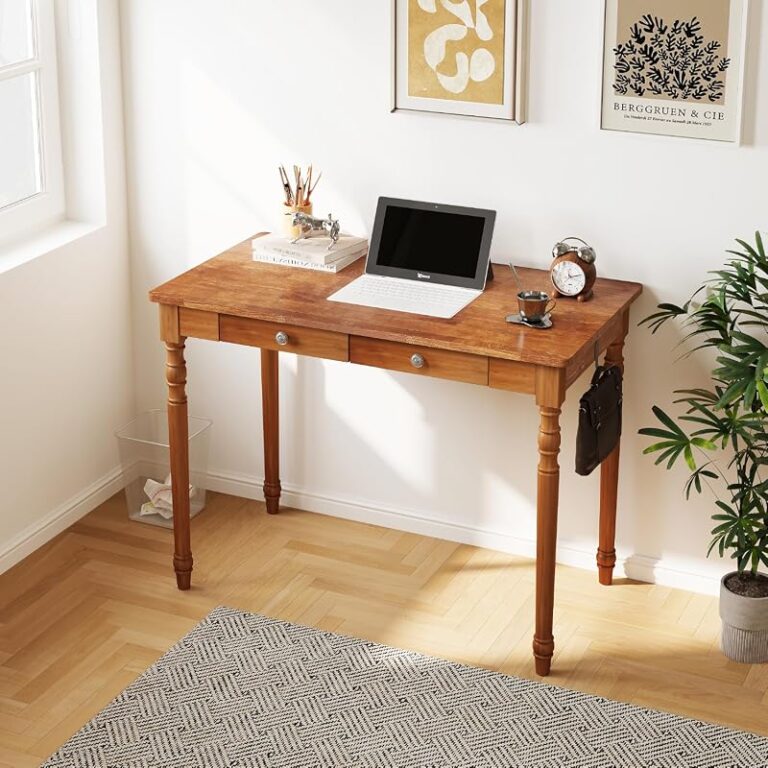
A drawing-friendly workspace should make it easy to begin, easy to focus, and easy to clean up. The goal is a setup that supports the habit without turning your desk into a cluttered art station.
Desk layout, lighting, and visual calm
Keep the main drawing surface clear enough for a sketchbook, a pencil, and a small eraser. Too many objects in view can make it harder to settle into the kind of attention drawing encourages.
Lighting should be bright enough to see line work clearly, but soft enough to avoid glare on the page. If you use a ring light or similar task light near your desk, it is worth understanding how it affects comfort and eye strain; our article on are ring lights bad for your eyes is a useful companion piece.
Storage, display, and keeping tools within reach
Store your drawing tools where you can reach them without opening multiple drawers. A tray, cup, or slim desktop organizer can be enough for everyday use, especially if you only keep out the essentials.
Display can be motivating, but it should stay subtle in a home office. A small shelf, a portfolio case, or a few clipped studies can remind you to draw without making the room feel busy.
- Keep one “ready to use” drawing kit on the desk and store backup supplies separately.
- Use neutral containers or trays so the workspace feels calm, not crowded.
- Place the sketchbook where you naturally see it during the day.
- Choose a chair and desk height that let you draw without hunching forward.
Matching art supplies and accessories to existing decor
If your home office is modern, minimalist, warm wood, or eclectic, your drawing tools can still fit the room. The easiest way is to choose accessories that echo the space rather than compete with it.
For example, a natural wood pencil cup, a neutral sketchbook, or a matte desk tray can blend into most interiors. If you prefer a more decorative approach, keep the color story consistent so the workspace looks intentional rather than improvised.
Benefits, Limitations, and Common Mistakes to Avoid
Drawing is helpful, but it works best when you treat it as a habit rather than a performance. The most common problems come from expecting too much too soon or setting up a workspace that makes drawing feel uncomfortable.
Overthinking technique instead of building consistency
Many people stop drawing because they think every session has to produce something impressive. In reality, the brain benefits come from repetition, not from perfect results.
A better approach is to keep sessions short and repeatable. Even a few minutes a day can be more useful than a long session that happens once a month.
Poor posture, bad lighting, and cluttered workspaces
Physical comfort matters because discomfort can quickly turn a relaxing habit into a frustrating one. Slouching over a desk, drawing in dim light, or working in a crowded space can make it harder to stay focused.
Set up your chair, desk, and light so your shoulders stay relaxed and your page is easy to see. If you need a lighting upgrade for a small workspace, a compact, adjustable option is often more practical than a large fixture.
Do not ignore posture or lighting just because drawing feels calming. Repeated strain can undermine the habit, especially if you draw at a desk for work and leisure.
Why drawing is helpful but not a medical treatment
Drawing can support well-being, but it is not a substitute for medical or mental health care. If you are dealing with persistent anxiety, depression, memory concerns, or pain, drawing may be a helpful companion habit, not a treatment plan.
That distinction matters because it keeps expectations realistic. The best use of drawing is as one part of a healthy routine that may also include movement, rest, social connection, and professional care when needed.
Care, Maintenance, and Long-Term Value
One reason drawing is so sustainable is that the materials can last a long time with very little maintenance. A simple setup also makes it easier to keep the habit going without constant replacement or reorganization.
Keeping sketchbooks, pencils, and pens in good condition
Store sketchbooks flat or upright in a dry area away from direct sunlight and moisture. Keep pencil points protected when possible, and close pen caps securely so the tools stay ready for the next session.
If you keep finished pages or archival work, use storage methods that reduce bending, dust, and discoloration. For longer-term paper care, it can also help to review guidance on acid-free paper for storage when you are organizing drawings or related materials.
Building a sustainable daily practice
The most durable drawing habit is usually the simplest one. Set a realistic cue, such as drawing after coffee, before work, or at the end of the day, and keep the session short enough that it feels easy to repeat.
It can also help to reduce decision fatigue. Pre-select a sketchbook, one writing tool, and a few prompts so you do not spend more energy preparing than drawing.
- Keep your drawing setup visible and easy to access.
- Use short sessions to build consistency.
- Choose supplies that match your actual habits.
- Buying too many tools before you know what you use.
- Waiting for the “perfect” mood before you start.
- Letting the workspace become so cluttered that drawing feels like a chore.
Final Recommendation: Is Drawing Worth Adding to Your Routine?
Yes, drawing is worth adding to your routine if you want a low-cost habit that supports focus, calm, and creative thinking. It is especially practical for home office users because it can fit into short breaks, quiet mornings, or end-of-day resets without requiring a major setup.
Best use cases and the most practical takeaway
Drawing makes the most sense for people who want a mental reset that still feels active, students who want a more hands-on way to observe and remember, and anyone who likes a creative habit that is easy to maintain. If you are setting up a desk-based practice, the smartest approach is to keep the tools simple, the lighting comfortable, and the workspace uncluttered.
In other words, drawing is healthy for your brain when it is part of a realistic routine. The best setup is not the fanciest one; it is the one you will use often enough to make the habit stick.
Frequently Asked Questions