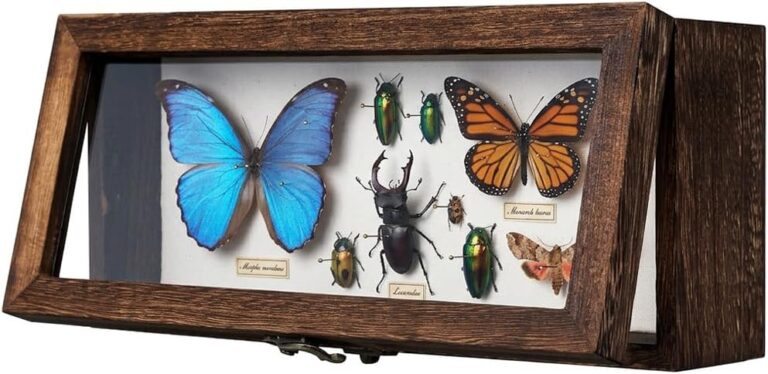
How to Make a Shadow Box Frame at Home

A layered paper artwork sits inside a deep shadow box frame.
Make a shadow box frame by choosing enough depth for the object, mounting it with archival or discreet supports, and sealing it in a frame that suits the room. The best results come from careful measuring, clean assembly, and hardware matched to the wall.
How to make a shadow box frame comes down to three things: choosing enough depth, planning the object’s clearance, and mounting everything so it stays secure without visible stress. Done well, it turns keepsakes, textiles, memorabilia, and small objects into a display that feels intentional rather than crowded.
- Depth first: Measure the object’s thickness before choosing the frame.
- Use safe mounts: Archival or reversible methods are best for keepsakes and fragile items.
- Check the wall: Hanging hardware should match the frame’s finished weight and wall type.
- Leave breathing room: Negative space helps the display feel intentional.
- Choose the right finish: Wood, metal, and neutral tones each change the mood of the piece.
How to Make a Shadow Box Frame: The Quick Answer
The simplest way to make a shadow box frame is to build or buy a deep frame, add a backing board, and leave enough interior space for the object plus a small air gap. Then secure the item with a mounting method that suits its weight and material, such as archival corners, pins, or discreet stitching for fabric pieces.
If you are working with a sentimental object, the safest approach is usually the least invasive one. Measure carefully, choose materials that suit the item’s long-term needs, and confirm the hanging hardware and wall type before you finish the frame.
What a Shadow Box Frame Is and Why It Works
A shadow box frame is a deep frame designed to hold three-dimensional objects or layered compositions. Unlike a standard picture frame, it creates visible depth between the glazing and the backing, which helps the subject feel more like a display piece than a flat print.
This format works because depth changes how the eye reads the object. A medal, dried bouquet, baby shoes, concert ticket, or small sculpture becomes easier to appreciate when it has breathing room around it. That extra space also helps prevent the object from pressing against the glass, which can matter for delicate surfaces.
Shadow boxes are especially useful when you want to preserve a memory, build a themed collection, or create a decorative focal point. They can feel formal, sentimental, or modern depending on the materials and layout you choose. For readers exploring related frame construction, our guide to how to make a simple frame is a helpful companion if you want to compare shallow and deep frame builds.
Shadow boxes are often chosen for objects that need visual separation from the background, not just protection. That negative space is part of the design, not wasted room.
Materials, Tools, and Key Specifications to Choose First
Before you cut anything, decide what the frame needs to hold and how it will be displayed. The object’s thickness, fragility, and weight should guide the depth, backing, glazing, and mounting method. If the item is valuable, fragile, or irreplaceable, check manufacturer guidance for conservation-safe materials and consider professional framing advice.
Frame depth, glazing, backing, and mount options
Depth is the first specification to get right. A shallow object may need only modest clearance, while bulkier items need a deeper rabbet or spacer system so the front does not press against the display. If you are buying a ready-made frame, confirm the interior depth rather than relying on the outer dimensions alone.
Glazing can be glass or acrylic, depending on the object and location. Glass offers a classic look and better scratch resistance, while acrylic is lighter and may be preferable for larger frames or rooms where weight matters. For wall safety, lighter glazing can make hanging easier, but it may scratch more easily and can be more sensitive to cleaning methods.
Backing options usually include foam board, acid-free board, plywood, or other rigid panels. For keepsakes and paper objects, acid-free materials are better for longevity. Mounting options vary by object: pins, archival corners, stitching, thread mounts, adhesive strips, or custom supports may all be appropriate depending on the material and whether you want the attachment points visible.
Best materials for longevity and presentation
If the goal is long-term display, choose acid-free or archival materials wherever they touch the object. That includes the backing, mat board, and any tape or adhesive used near delicate surfaces. For textiles, avoid anything that can stain, stretch, or leave residue over time.
For the frame itself, solid wood offers a traditional look and can be refinished, while metal or composite options may suit cleaner, more contemporary interiors. The right choice depends on the room and the object. A vintage medal may feel at home in a wood frame, while a minimalist composition often looks sharper in a slim black or natural finish.
Specifications vary by model and retailer, especially for ready-made shadow boxes. Always confirm the usable internal depth, glazing type, and included hanging hardware before you buy.
Step-by-Step: How to Make a Shadow Box Frame
The process is straightforward once the dimensions are set. The key is to build from the object outward, not the other way around. That prevents a frame that looks fine on paper but feels cramped once the item is inside.
Measure height, width, and depth, then decide how much border space you want around the piece. Leave room for visual breathing space as well as the object’s physical clearance.
Cut the frame pieces to size and make sure the corners meet cleanly. If you are using a ready-made deep frame, verify that the opening and backing fit the object before assembly.
Dry-fit the frame, backing, and glazing first. This is the best moment to catch spacing problems, uneven corners, or a backing board that is too tight.
Use the least invasive method that still holds the item safely. Once the object is positioned, close the frame and confirm nothing shifts when the frame is gently moved.
Measuring the object and planning the internal layout
Start with the object itself, then sketch the composition inside the frame. Centering is not always the best choice; off-center placement can create more energy, especially for tickets, letters, or collections of small items. If the piece includes multiple parts, map their spacing before you cut the backing.
Give yourself a margin around the object so the display does not feel cramped. A generous border often makes a single item feel more deliberate, while a tighter layout can suit a dense, collage-style arrangement. If you are framing a larger composition rather than a keepsake, our guide on how to make a large poster frame can help you think through scale and support.
Cutting, assembling, and securing the frame
Cutting should be accurate enough that the corners close neatly and the backing sits flat. If the frame is handmade, test the joints before final fastening. If the frame is purchased, check that the box depth accommodates both the object and any mount points without forcing the front panel against the contents.
Assembly usually works best in this order: frame, backing, glazing, object, then final closure. Keep the interior clean while you work. Dust and debris become much more noticeable once the frame is sealed, especially with dark backgrounds or reflective glazing.
Mounting the item safely without visible damage
The best mounting method depends on the object. Paper ephemera may sit in archival corners or a hinged mount. Fabric items can often be secured with discreet stitching to a backing fabric or support board. Small rigid objects may need custom supports so they do not slide when the frame is handled.
Avoid forcing an object to fit by compressing it behind the glazing. If the piece needs more room, increase the depth rather than flattening the subject. That is especially important for items with texture, raised details, or fragile edges.
For valuable, fragile, or historic items, avoid pressure-sensitive adhesives unless you know they are appropriate for the material. When in doubt, use reversible methods and consult conservation guidance.
Sizing, Placement, and Wall-Hanging Considerations
Shadow box frames are visual objects as much as protective ones, so size and placement affect how successful they feel in a room. A frame that is technically correct can still look awkward if it is too small for the wall or too large for the object inside.
Choosing the right dimensions for the object and the room
The overall frame should suit both the object and the wall. A small keepsake can disappear on a large blank wall unless the frame has enough visual presence, while an oversized box can overwhelm a narrow hallway or shelf area. Think about the display as a composition, not just a container.
For gallery walls, shadow boxes often work best when they are treated as a focal piece rather than one item in a dense cluster. If you want to compare different framing approaches for larger compositions, how to frame a large poster offers useful scale cues that also apply to deep frames.
Wall type, hanging hardware, and spacing for gallery walls
Because shadow boxes are deeper and often heavier than standard frames, hanging hardware matters. Confirm the wall type, the frame’s weight, and the included hardware before mounting. Drywall, plaster, and masonry each call for different anchors or fasteners, and the right choice depends on the frame’s actual weight once assembled.
For gallery walls, leave enough spacing so the shadow box does not visually collide with flatter frames nearby. A little extra breathing room helps the depth read as intentional. If you are building a larger display, it can help to position the shadow box slightly off-center in the arrangement so it becomes a visual anchor.
When a frame has real depth, lighting matters more than usual. Place it where side light or soft ambient light can reveal the object’s contours without creating harsh reflections on the glazing.
Styling Ideas: Matching a Shadow Box Frame to Your Decor
Shadow boxes can look formal, nostalgic, modern, or eclectic depending on the finish and contents. The safest styling choice is the one that supports the object instead of competing with it.
Best room settings and design styles
These frames work well in living rooms, hallways, offices, bedrooms, and entryways when the object has personal meaning or visual texture. In a home office, they can hold awards, travel keepsakes, or small creative references. In a bedroom, they often feel more intimate when the palette is calm and the composition is simple.
Design-wise, shadow boxes suit traditional interiors, gallery-inspired spaces, minimalist rooms, and eclectic homes alike. The difference is in the finish: wood feels warmer and more classic, while black, white, or metal finishes tend to read more contemporary.
Using color, texture, and composition to elevate the display
Background color has a strong effect on the object. Dark backgrounds can make light-colored objects stand out, while pale backgrounds create a cleaner, airier look. Texture also changes the mood: linen, paper, and fabric backings add softness, while smooth boards feel more graphic.
Composition should be simple if the object is already detailed. Too many decorative elements can make the display feel busy. If the item is small, consider pairing it with one supporting element, such as a label, date, or related keepsake, rather than filling the space with extras.
- Match the frame finish to nearby furniture or trim for a more integrated look.
- Use negative space to make a single object feel more important.
- Choose one visual focal point instead of crowding the box with too many items.
Benefits, Limitations, and Common Mistakes to Avoid
Shadow box frames offer more depth and storytelling potential than standard frames, but they also require more planning and usually more material. That tradeoff is worth it when the object matters enough to deserve a custom presentation.
Protection, depth, and visual impact versus cost and complexity
The biggest benefit is the combination of display and protection. A properly built shadow box can keep fragile objects separated from dust and handling while giving them a polished presentation. It also creates a stronger sense of dimension, which can make even a small object feel substantial.
The limitation is that shadow boxes are more complex to size and assemble. They may cost more than a basic frame because of the extra depth, hardware, and materials. For some objects, a simpler frame or a different display method may be the better value, especially if the item is temporary or not especially delicate.
- Protects three-dimensional objects better than a flat frame
- Adds depth and visual interest to sentimental pieces
- Can be tailored to many styles and room types
- Requires more precise measuring and planning
- Can be heavier and more expensive than standard frames
- Improper mounting can damage delicate objects
Frequent errors in measuring, sealing, and object placement
The most common mistake is underestimating depth. Many DIY builders measure the face of the object and forget to account for mounts, spacers, or the thickness of the backing. Another common issue is placing the object too close to the glazing, which can create pressure points or flatten textured surfaces.
Sealing errors are also common. If the frame is not closed cleanly, dust can get in and the object may shift over time. Finally, poor placement inside the box can make the composition feel accidental rather than designed. A few millimeters can matter more than people expect, especially in a smaller frame.
- Dry-fit all parts before final assembly
- Use archival materials for keepsakes and paper items
- Check wall type and hanging hardware before mounting
- Forcing a thick object behind shallow glazing
- Using permanent adhesives on valuable or fragile items
- Ignoring the finished frame’s weight when choosing anchors
Care, Maintenance, and Final Recommendation
Once a shadow box is on the wall, the goal is to keep it clean, stable, and out of harm’s way. A little maintenance goes a long way because deep frames can trap dust and show reflections more readily than flat frames.
Cleaning, dust control, and long-term preservation
Dust the exterior gently with a soft, dry cloth and avoid harsh cleaners near glazing or frame finishes. If the glazing is glass or acrylic, use a cleaner that is appropriate for that material and apply it carefully so liquid does not seep into the frame edges.
Keep the frame away from direct sunlight, high humidity, and heat sources when possible. Light can fade paper, textiles, and some finishes over time, while humidity may affect adhesives, backing boards, and delicate objects. If the item is especially valuable, long-term preservation should guide every material choice.
Sunlight, moisture, and heat can damage both the contents and the frame materials. For heirlooms, use conservation-minded supplies and choose a location with stable indoor conditions.
When DIY makes sense and when a ready-made frame is the better value
DIY makes sense when the object has unusual dimensions, the composition is personal, or you want full control over materials and layout. It is also a strong choice if you enjoy the craft of building and are comfortable measuring carefully.
A ready-made shadow box is often the better value when speed, consistency, or simplicity matters more than customization. If the item is valuable, fragile, or difficult to mount, a professionally made frame may also reduce risk. For many readers, the best answer is not purely DIY or purely store-bought, but the option that protects the object while fitting the room cleanly.
- Measure the object first, then choose depth and border space around it.
- Use archival, reversible mounting methods whenever the contents are delicate or meaningful.
- Match the frame finish, size, and placement to the room so the display feels intentional.
- Choose DIY for customization and a ready-made frame for speed or simpler installation.
Frequently Asked Questions
Choose a frame that gives the object enough clearance plus a comfortable border around it. The right size depends on the item’s depth, the wall space, and how much negative space you want in the design.
Archival backing, acid-free board, and a suitable glazing material are the most important choices for longevity. Wood, metal, or composite frames can all work if the depth and finish suit the object and room.
Use the least invasive method that holds the item securely, such as archival corners, discreet stitching, or custom supports. Avoid strong permanent adhesives unless they are appropriate for the material and the display is not meant to be reversible.
Not every wall needs the same hardware, so check the wall type and the finished frame weight before hanging. Drywall, plaster, and masonry each require different anchors or fasteners.
The biggest mistakes are underestimating depth, using the wrong mounting method, and crowding the object against the glazing. Poor sealing and incorrect hanging hardware can also cause long-term problems.
A ready-made frame is often better when you need speed, a standard size, or a simpler installation. DIY is usually the better choice when the object is unusual, the layout is custom, or you want full control over materials.