Where Art Portfolio Case Should Be Kept

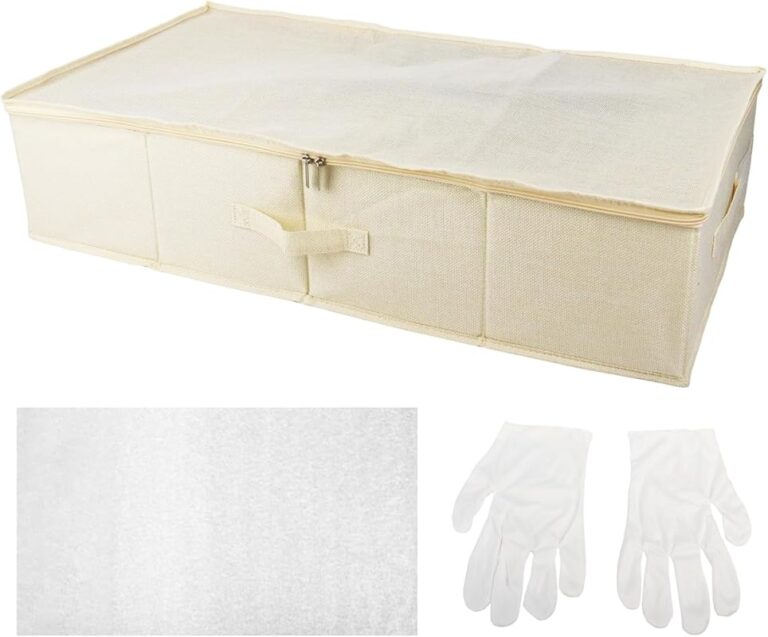
Keep an art portfolio case in a dry, stable, low-traffic indoor spot such as a shelf, cabinet, or clean under-bed area with enough clearance. The best location protects the case from moisture, heat, dust, and pressure while still making it easy to reach.
where art portfolio case should be kept is one of those practical questions that affects both protection and daily workflow. The best spot is usually a stable, dry, low-traffic place that keeps the case flat or properly supported, while still making it easy to grab before class, a critique, or a client meeting.
- Best placement: Choose a stable indoor spot with full support and minimal traffic.
- Flat is safest: Larger or rigid cases usually do best stored flat rather than leaning.
- Environment matters: Avoid damp walls, direct sun, radiators, and humid rooms.
- Access matters too: Keep the case where you can remove and return it without dragging.
Where Art Portfolio Case Should Be Kept: The Best Placement for Protection and Easy Access
The ideal storage location depends on how often you use the case, how large it is, and what it is made of. In general, the safest choice is a place away from moisture, direct sun, and heavy pressure, with enough room to prevent bending at the corners or spine.
If you are comparing storage options, think about two priorities at once: preservation and convenience. A case that is protected but awkward to reach tends to get handled roughly, while one that is easy to access but exposed to dust, dampness, or clutter can shorten the life of both the case and the work inside it.
Why Storage Location Matters for an Art Portfolio Case
Where you keep a portfolio case affects more than just tidiness. It can determine whether paper stays flat, whether covers stay clean, and whether finished work remains ready for transport.
Protection from moisture, light, dust, and pressure
Portfolio cases are vulnerable to the same conditions that damage artwork: humidity, UV exposure, dust, and physical compression. Moisture can soften paper or warp covers, sunlight can fade materials over time, and dust can work its way into closures, seams, and sleeves.
Pressure is another overlooked issue. A case stored under stacked books, boxes, or supplies can develop creases or bowed corners, especially if it has a softer shell or a thin board structure. If the case holds mounted work or layered pieces, pressure can also affect what is inside, not just the exterior.
Avoid damp walls, unfinished basements, and any area where condensation is common. Even a high-quality case can suffer if it is stored where humidity changes quickly.
How placement affects portability and daily workflow
The best storage spot is usually the one that matches how you work. Students often need quick access before class, while working artists may want a case near a desk, drafting table, or packing area. If the case is buried behind furniture, it is more likely to be dragged out awkwardly, which increases the risk of scuffing or bending.
For people who transport work often, keeping the case near the exit, closet opening, or studio workstation can save time and reduce handling. That convenience matters because the less you struggle to reach it, the more likely you are to keep it in good condition.
Best Places to Keep an Art Portfolio Case at Home or in the Studio
Most homes and studios can support one of a few reliable storage setups. The right choice depends on floor space, humidity, and how large the case is relative to the room.
Flat storage under a bed, on a shelf, or in a dedicated cabinet
Flat storage is often the safest option for rigid or semi-rigid cases because it helps prevent warping. Under-bed storage can work well if the area is clean, dry, and not too tight, but the case should slide easily rather than being forced into place.
A wide shelf or cabinet is another strong choice, especially for cases that are used regularly. If the shelf is deep enough to support the full length of the case, it can keep the edges from hanging over and reduce stress on the cover.
If your case has a handle or hardware that sticks out, leave a little extra space so it does not catch when you pull it out. That small gap can prevent repeated scuffing.
Vertical storage in a closet or studio corner when space is limited
Vertical storage can be practical in small apartments, shared studios, and bedrooms where floor space is tight. The key is support: the case should stand upright without leaning so hard that the spine, zipper, or corners are under constant strain.
Closets are often better than open corners because they reduce dust and light exposure. If you use a corner, make sure the case is not pressed against a heater, window, or area where it may get knocked over by bags, stools, or supply carts.
What rooms suit different portfolio case sizes and materials
Bedrooms and home offices often suit slim student cases because they are easier to tuck away in closets or under beds. Studios usually work better for larger presentation cases, especially if you have a dedicated shelving unit or cabinet near your prep area.
Materials also matter. Leather and fabric cases generally benefit from cleaner, drier indoor rooms, while waterproof or more rigid cases can tolerate slightly more varied environments. Still, no material should be treated as if it is immune to heat, humidity, or crushing weight.
If you are still deciding what type of case fits your workflow, it can help to review how a presentation-style case is typically used. Our guide on how to use an art portfolio presentation case may help clarify which storage setup makes the most sense.
How to Choose the Right Spot by Portfolio Case Type and Size
Not every portfolio case should be stored the same way. Size, construction, and how much artwork it holds all influence the safest placement.
Large presentation cases versus slim student cases
Large presentation cases usually need more horizontal support because they are more prone to bending at the center or corners. They are often easier to keep on a broad shelf, in a cabinet, or under a bed with enough clearance to slide in and out smoothly.
Slim student cases are more flexible in placement. They can fit in closets, on upper shelves, or beside desks, but they should still be kept where they will not be crushed by backpacks, supply bins, or stacked sketchbooks.
Rigid, leather, fabric, and waterproof cases: placement differences
Rigid cases generally benefit from flat storage because their structure can be compromised by uneven pressure over time. Leather cases need a dry environment and should be kept away from direct heat sources that can dry or crack the material. Fabric cases are often lighter and easier to store, but they can attract dust and should be kept in cleaner spaces.
Waterproof cases may offer added protection from spills or weather, but that does not mean they are ideal for humid rooms or outdoor-adjacent storage. Seams, zippers, and closures still need a stable environment if you want the case to last.
Manufacturer specifications vary by model and finish. If your case has a reinforced spine, padded interior, or specialty coating, check the care instructions before choosing a long-term storage location.
Matching storage to paper size, artwork thickness, and frequency of use
The larger the paper size, the more important it is to prevent edge stress. Oversized work needs a case that can rest without forcing the corners to curl or the sides to bow inward. Thick artwork, mounted pieces, and layered presentations also need more space so the interior does not become compressed.
If you use the case daily, keep it in the most accessible safe spot you have. If it is for occasional portfolio reviews or travel, you can prioritize preservation more heavily and store it farther from the main workflow, as long as it remains easy to retrieve when needed.
For readers looking for a common large-format reference, our article on the 24×36 art portfolio case covers a size that often needs extra storage planning.
What to Look for When Storing an Art Portfolio Case Safely
A good storage spot should protect the case without making it hard to use. The best locations balance climate control, support, and easy access.
Climate stability, ventilation, and low-traffic placement
Choose a place with relatively steady temperature and humidity. A closet, cabinet, or interior room is usually better than a garage, attic, or exterior wall area that swings widely with the weather.
Ventilation matters too. The case should not be sealed into a damp, airless space where odors or moisture can collect. At the same time, it should not sit in a high-traffic path where it can be bumped daily by shoes, bags, or cleaning tools.
Clearance from radiators, windows, floors, and heavy objects
Keep the case away from radiators, vents, and direct sunlight. Heat can dry out some materials, while window light can fade covers and raise the temperature around the case during the day.
It is also smart to avoid floor contact in areas where spills or cleaning water might reach the case. If you store it under furniture, make sure it is not supporting anything heavy. A portfolio case should never be used as a shelf for storage bins or decor objects.
Paper and many art materials are sensitive to humidity swings, so a stable indoor room is often better than a “dry-looking” but unconditioned space like a garage or attic.
Accessibility for transport, review, and client presentation
Accessibility is especially important if you are preparing for critiques, interviews, or client meetings. A case that is easy to reach is more likely to stay organized, because you can return work to it promptly instead of leaving pieces out on a desk or floor.
For artists who frequently present work, a storage spot near a packing table, entryway, or studio desk can improve workflow. If your setup includes a larger studio system, you might also look at nearby archival storage or shelving designed to keep art materials grouped by project.
Styling and Organization Ideas for a Studio, Bedroom, or Office
Storage does not have to look purely utilitarian. With a little planning, the case can fit into the room without making it feel crowded.
Keeping the case visible without making the room feel cluttered
If you prefer to keep the case visible, place it where it reads as part of the room’s structure rather than as an afterthought. A clean shelf line, a cabinet top, or a low bench can make the case feel intentional instead of messy.
Visible storage works best when the surrounding area is edited down. If the case sits near too many bins, cords, or loose supplies, the eye sees clutter instead of order.
Pairing storage with desks, shelves, and archival boxes
One of the simplest systems is to keep the portfolio case near the same zone as related supplies. For example, a desk can sit beside a shelf with archival boxes, sketchbooks, and sleeves, making it easy to sort work by stage or project.
If you use a picture ledge or wall display nearby, keep the portfolio case low and contained so the room does not feel top-heavy. Our guides on displaying framed art on a console table and organising art supplies in a small space can help you build a more cohesive setup.
How to match the case and storage area to existing decor
In a bedroom or office, the case often looks best when its color and texture echo the room’s materials. A leather case may suit warmer, more traditional decor, while a fabric or minimalist rigid case can blend better with modern shelving and neutral finishes.
The goal is not to hide the case completely. It is to make it feel like part of a working creative space rather than a random object waiting to be moved.
Think of portfolio storage as part of your studio composition: one clean line, one clear landing spot, and one easy path to the work inside.
Common Mistakes to Avoid When Keeping an Art Portfolio Case
Many storage problems come from convenience choices that seem harmless at first. Avoiding a few common mistakes can make a major difference over time.
Storing it upright under pressure or near damp walls
Standing a case upright can be fine if it is fully supported, but it becomes risky when the case leans against a wall or another object for long periods. Pressure can distort the shape, especially if the case is large or partially filled.
Damp walls are another problem. Even if the room itself feels okay, a wall that gets cool or moist can transfer that moisture to the case over time.
Leaving artwork inside without sleeves or interleaving
Storage location matters, but so does what is inside the case. Loose artwork can shift, rub, or pick up marks if it is not protected with sleeves, tissue, glassine, or other appropriate interleaving materials.
If you are unsure how to layer or organize work inside the case, our guide on how to use an art portfolio presentation case offers a helpful starting point for keeping contents orderly.
Using locations that encourage bending, scuffing, or warping
Spaces that seem convenient but are too tight often cause more damage than they save in time. Sliding a case under a bed with little clearance, wedging it behind a chair, or propping it against a wall in a busy hallway can all lead to repeated scuffing and edge wear.
- Choose a stable, dry, low-traffic place with full support
- Leave enough clearance to remove the case without forcing it
- Keep contents inside protected with sleeves or interleaving
- Pressing the case against damp walls or heat sources
- Stacking heavy items on top of it
- Using a spot that makes you bend or drag it repeatedly
Care, Maintenance, and Long-Term Value
Good storage is only part of the picture. Regular upkeep helps the case remain functional and keeps the artwork inside easier to manage.
Cleaning the case material and checking closures, handles, and corners
Dust the outside of the case regularly and inspect the corners, zippers, snaps, or handles for wear. The exact cleaning method depends on the material, so it is best to follow the manufacturer’s care instructions rather than guessing, especially with leather or coated surfaces.
Small issues are easier to address early. A loose handle, frayed seam, or sticky closure can become a bigger problem if the case is used for transport before the issue is noticed.
Seasonal maintenance for humidity, dust, and travel readiness
At the start of each season, take a moment to check the storage area itself. If the room becomes more humid in summer or drier in winter, the case may need a different shelf, closet, or cabinet position.
This is also a good time to clear out dust, confirm that the contents are still organized, and make sure the case is ready to move without a rushed repacking session. If you travel with work often, a quick readiness check can prevent last-minute damage.
How proper storage extends the life of both the case and the artwork
When a portfolio case is stored correctly, it does more than stay neat. It helps preserve paper flatness, reduces corner wear, and lowers the chance that finished work gets handled too many times.
That makes storage a practical investment in the work itself. A well-kept case is easier to present, easier to carry, and more likely to protect the pieces you put inside it for the long term.
Final Recommendation: The Ideal Place to Keep an Art Portfolio Case in 2026
For most artists and students, the best place to keep an art portfolio case is a dry, stable, low-traffic indoor spot with full support, such as a closet shelf, cabinet, or clean under-bed area with enough clearance. If space is tight, vertical storage can work, but only when the case is supported and protected from pressure, dampness, and heat.
If convenience matters most, keep it near your working area or entryway; if preservation matters most, choose the most climate-stable location available. The best answer is the spot that protects the case without making you avoid using it.
For most homes and studios, a dedicated shelf or cabinet in an interior room offers the best balance of protection, access, and visual order. It is less convenient than leaving the case out in the open, but it is usually the most reliable long-term choice.
Frequently Asked Questions