Picture Ledge Above Couch

A picture ledge above couch is a flexible way to style a sofa wall with art, books, and objects without committing to a fixed gallery wall. Choose a proportionate shelf, keep the arrangement edited, and use lighting and color echoes to make the display feel calm and collected.
A picture ledge above couch is one of the easiest ways to make a sofa wall feel finished without locking yourself into a permanent frame layout. It gives you room to layer art, books, and objects with a collected look that can change as your taste evolves.
- Scale matters: Match ledge length to sofa width for balance.
- Keep it edited: Fewer pieces usually look more refined above a couch.
- Mix mediums: Combine framed art, books, and one or two objects.
- Light thoughtfully: Reduce glare and add warm evening ambiance.
- Plan for care: Secure mounting, dusting, and sun protection matter.
Why a Picture Ledge Above Couch Changes the Whole Room
Placed above a sofa, a narrow ledge does more than hold objects. It creates a visual horizon line that anchors the seating area and draws the eye into a deliberate focal point.
Unlike a single oversized canvas, a ledge lets you build a living composition over time. That flexibility is especially appealing if you like interiors that feel edited rather than overly matched.
How a single shelf creates a gallery-like focal point
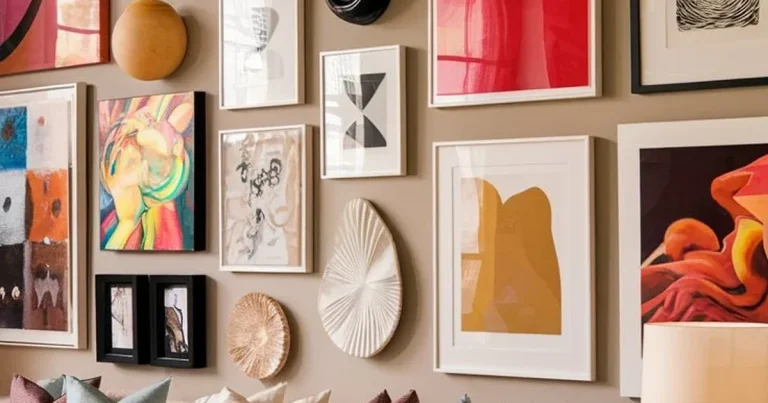
A picture ledge works a little like a small gallery wall, but with less commitment and more breathing room. Leaned frames and layered pieces naturally create depth, which makes the wall feel curated instead of flat.
The result is often softer than a row of nails and rigid spacing. For many rooms, that relaxed structure is exactly what helps the sofa area feel warm and lived-in.
Reader intent: styling a sofa wall without committing to nails and frames
Many people search for this idea because they want a beautiful wall without the stress of measuring multiple frame placements. A ledge is ideal if you rent, change art often, or simply prefer a design that can evolve with the seasons.
If you are deciding between a ledge and a fully hung arrangement, our guide on picture ledge shelves vs hanging individual frames is a helpful place to compare the feel of each approach.
Choosing the Right Picture Ledge for Scale, Proportion, and Mood
The best ledge for a couch is not just about length. It is about visual balance, depth, and how the shelf supports the mood of the room.
A shelf that is too bulky can overpower the sofa, while one that is too short may look accidental. The most successful installations feel proportionate, calm, and intentional.
Matching ledge length to sofa width and ceiling height
A common design rule is to choose a ledge that relates to the width of the sofa rather than the whole wall. A shelf that spans roughly two-thirds to three-quarters of the sofa width usually feels balanced, though the exact proportion depends on the room.
Higher ceilings can handle a slightly longer or more layered display, while lower ceilings often benefit from a slimmer profile. If you are comparing options, our roundup of the best long picture ledges for living room art walls offers useful scale ideas.
Wood, painted finishes, metal, and floating profiles: style trade-offs
Wood ledges bring warmth and work beautifully in rooms with natural textures, linen upholstery, or vintage art. Painted finishes can blend into the wall for a quieter, more architectural look.
Metal and ultra-thin floating profiles feel sharper and more contemporary, especially in minimal or gallery-inspired interiors. The trade-off is that they can read cooler, so they work best when balanced with soft furnishings and warm lighting.
- Warm, layered living rooms
- Easy art swaps and seasonal refreshes
- Collected displays with books and objects
- You want a fully formal, symmetrical wall
- Your sofa wall needs a very bold statement piece
- You prefer no visible shelf edge at all
Curator recommendation: when a narrow ledge feels more refined than a deep shelf
For a sofa wall, a narrow ledge often looks more elegant than a deep shelf because it keeps the composition visually light. Deep shelves can be useful for heavy objects or larger books, but they can also make the wall feel top-heavy.
If your goal is a refined, art-first display, a slim ledge usually wins. It frames the objects without competing with them.
What to Display Above a Couch: Art, Books, Objects, and Seasonal Layers
The best displays above a couch tend to mix a few categories rather than relying on one type of object. That variety gives the wall a collected, personal energy.
Think of the ledge as a small rotating exhibition. You can keep the core pieces consistent and change the supporting layers as your home and seasons shift.
Framed prints and small originals for an edited, collected look
Framed prints are often the easiest starting point because they bring structure and immediate visual clarity. Small originals add intimacy and make the arrangement feel less like a catalog display.
If you are choosing frames for this kind of setup, it can help to read about how deep a picture ledge should be for framed art so your pieces sit securely and look proportionate.
Stacked books, ceramics, and travel objects for creative living
Books soften the formality of framed art and add a sense of life to the shelf. A few ceramics, a small bowl, or a travel object can introduce texture and memory without making the ledge feel crowded.
The key is restraint. One sculptural object can do more than a whole cluster of small trinkets, especially above a couch where the eye is already taking in upholstery, cushions, and other room elements.
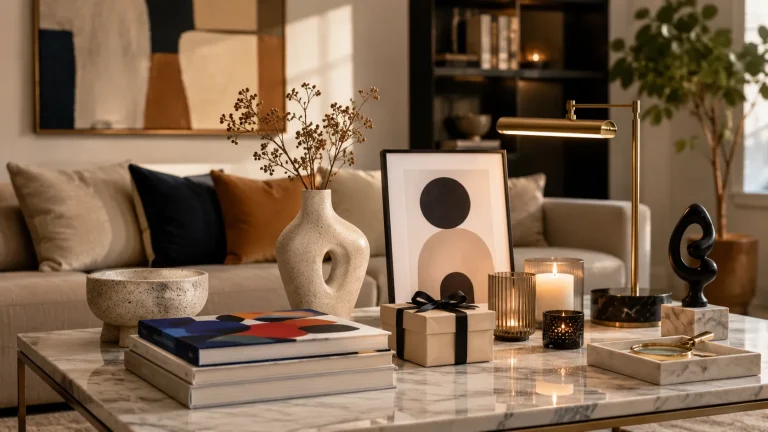
A small art book with a strong cover, paired with a framed print and one handmade ceramic, often creates the most balanced sofa-wall vignette. It feels personal, but still edited enough to read as design.
Mixing personal pieces with giftable art editions and keepsakes
Picture ledges are especially charming when they combine meaningful personal objects with giftable art editions. A postcard from a trip, a small print from an artist you admire, or a keepsake from a friend can sit comfortably beside more polished pieces.
That mix is what keeps the arrangement from feeling staged. It also makes the wall easier to update for birthdays, holidays, or seasonal gifting.
How to Style a Picture Ledge Above Couch Like a Designer
Styling a ledge is less about perfection and more about rhythm. The goal is to create a composition that feels relaxed, but still clearly considered.
When done well, the display should look as if it could evolve naturally over time rather than being arranged all at once.
Layering heights, leaning angles, and visual rhythm
Start with one or two taller pieces, then layer smaller frames or objects in front. Leaning some items at slightly different angles creates movement and keeps the shelf from feeling static.
If you want a practical framework for avoiding visual clutter, our guide on how to arrange frames on a picture ledge without clutter is especially useful.
Place your strongest piece near the middle or slightly off-center to establish the display’s main focal point.
Use larger frames at the back and smaller objects in front so the shelf reads as dimensional, not crowded.
Allow a few open spaces so each object can be noticed individually and the whole arrangement feels calm.
Balancing symmetry with an intentionally relaxed arrangement
Symmetry can be beautiful above a couch, but it does not have to be rigid. Often, the most appealing ledges use a loose balance: a pair of similar frames on one side, a stacked book and object on the other, and a slightly offset center.
This creates order without stiffness. It is a particularly good approach if the rest of the room already leans formal or if you want the sofa wall to feel inviting rather than staged.
Using color echoes from cushions, rugs, and nearby artwork
One of the easiest ways to make a ledge feel integrated is to repeat colors already present in the room. A muted blue print can echo a throw pillow, while a warm clay vase can pick up tones from a rug or wood furniture.
These echoes do not need to be exact. Even small repetitions help the eye move naturally around the room and make the sofa wall feel like part of a larger composition.
Think of the ledge as a quiet conversation between objects. The best displays do not shout for attention; they reward a closer look with layers, texture, and a few well-chosen surprises.
Lighting the Ledge: Making Art and Objects Read Beautifully
Lighting changes everything on a picture ledge. The same arrangement can feel soft and intimate in one setting, then flat or harsh in another.
Because the ledge sits above a couch, lighting also affects how comfortable the seating area feels in the evening. A little glow goes a long way.
Natural light, lamp glow, and evening ambiance
During the day, natural light can bring out paper texture, brushwork, and frame finishes. In the evening, nearby lamps create a warmer and more domestic mood, which is often better for a living room than overhead brightness alone.
If the sofa wall is part of your main gathering area, try to view it at different times of day. A display that looks perfect in daylight may need softer lighting once the sun goes down.
Choosing finishes that reduce glare and highlight texture
Matte or softly reflective finishes usually work better than highly glossy ones above a couch, especially if the room receives strong daylight. They reduce glare and allow details in prints, paper, and ceramics to remain visible.
Glass, acrylic, and polished frame surfaces can reflect lamps and windows. If your room is bright, choose finishes carefully so the display remains easy to enjoy from the sofa.
Curator tip: when to add picture lights or wall sconces
Picture lights can be lovely if the ledge is home to a few favorite artworks and you want them to feel special after dark. Wall sconces work well when you want a broader wash of light that also supports reading or conversation.
For a more focused approach, our guide on how to choose a picture light for artwork can help you think through tone, placement, and mood.
Practical Installation and Care for Everyday Living
Above a couch, practical decisions matter as much as style. The shelf should feel secure, sit at a comfortable height, and allow everyday living without constant adjustment.
That includes thinking about how people use the sofa, how much traffic the room gets, and whether children or pets are part of the picture.
Ideal mounting height, safe spacing, and stability above seating
The ideal height depends on the sofa, the wall, and the objects you plan to display, but the ledge should generally sit high enough to avoid feeling cramped and low enough to stay visually connected to the seating area. Safe spacing matters so people do not bump displayed items when sitting down or standing up.
Stability is essential. If you are weighing safety and mounting considerations, our article on are picture ledges safe for displaying framed art is a useful companion read.
Avoid placing very heavy objects, unstable sculptures, or fragile ceramics in a way that could tip forward. Always use appropriate wall anchors and keep breakable items out of reach of active play areas.
Protecting frames, paper art, and books from dust and sun exposure
Paper art and books are sensitive to prolonged sunlight, so it is wise to avoid direct UV exposure whenever possible. Dust can also collect on ledges faster than many people expect, especially in rooms with open windows or frequent airflow.
Simple dusting and occasional rotation help preserve the display. If you use original works on paper, consider conservation-minded framing and keep humidity in mind, particularly in kitchens or humid climates.
Seasonal refreshes and easy swaps for lived-in interiors
One of the best things about a picture ledge above couch is how easily it can change with the season. In spring, you might lean lighter prints and a ceramic vessel; in winter, you might add darker tones, thicker books, or a more tactile object.
That flexibility makes the shelf feel alive. It also keeps your home from becoming visually stale, which is a common problem with fixed wall displays.
Price Context: What to Expect at Different Quality Levels in 2026
Picture ledges vary widely in price depending on material, finish, length, and how refined the joinery is. The right choice depends on whether you need a simple practical shelf or a more architectural design feature.
Price also shifts with installation needs, custom sizing, and the quality of hardware. As always, availability can vary by region and retailer.
Budget-friendly ledges for renters and first apartments
Entry-level ledges are often the most accessible for renters, first apartments, or anyone testing the look before investing more heavily. These are usually simpler in finish and construction, but they can still look lovely when styled with restraint.
Expect the most value when you keep the display light and avoid overloading the shelf with heavy frames or bulky objects.
Mid-range options for durable finishes and better joinery
Mid-range ledges tend to offer better materials, cleaner edges, and more durable finishes. For many living rooms, this is the sweet spot: attractive enough to feel intentional, sturdy enough for regular use, and versatile enough to outlast a few style changes.
If you want a more durable display setup, it can also help to choose frames and supports that match the shelf quality rather than pairing a refined ledge with flimsy accessories.
Investment pieces for gallery-inspired interiors and heirloom styling
Investment ledges are worth considering if the sofa wall is a major focal point in a well-designed room or if you want a custom-built, gallery-inspired result. These pieces often suit heirloom interiors, architectural spaces, or homes where every detail matters.
They are also the best fit when the ledge needs to blend seamlessly into a high-end finish palette or support a more permanent art collection.
A Creative Recap: Building a Sofa Wall That Feels Collected, Calm, and Personal
The most appealing picture ledge above couch arrangements usually combine art, books, light, and a few meaningful objects. That mix gives the room a sense of memory and movement, while still feeling polished enough for everyday living.
For gift-givers, collectors, and decorators alike, the ledge is a rare design element that can be both practical and poetic. It is useful, but it also invites taste, curiosity, and change.
How to combine art, books, light, and gifts into one cohesive display
Start with one strong visual anchor, then add supporting pieces that echo color, shape, or mood. If you are choosing gifts or art editions for this kind of setup, think about pieces that can stand alone but also work in conversation with others.
That is where a ledge becomes especially rewarding: it allows you to layer something newly gifted beside something collected over years, and the whole arrangement feels richer for it.
Final editorial take: the picture ledge above couch as a flexible design staple
At Hurrell Editions, we think the picture ledge above couch endures because it solves a real decorating problem with grace. It offers flexibility without losing style, and it gives art lovers a way to live with their pieces rather than simply hang them.
For homes that value warmth, creativity, and a sense of personal curation, it is one of the most adaptable design staples you can choose.
Recommended Products
SHOP THIS SETUP
Fixwal 48 Inch Floating Picture Ledge Shelf, Black
This long picture ledge is ideal for styling above a couch because it gives you plenty of room to layer framed art, prints, and small decorative objects without looking crowded. The slim profile keeps the arrangement visually light, while the black finish adds a clean, gallery-style contrast that works well in modern living rooms.
Frequently Asked Questions
It should sit high enough to feel connected to the sofa but not so high that the arrangement feels detached. The exact height depends on sofa back height, ceiling height, and the size of the objects you plan to display.
Framed prints, small originals, books, ceramics, and a few personal objects all work well. The best displays usually mix a few categories so the shelf feels collected rather than overly uniform.
A ledge can be a practical option because it avoids multiple nail holes and makes art swaps easier. Safety still depends on secure mounting, stable objects, and choosing pieces that are not too heavy or top-heavy.
Depth should be enough to support the frame base without making the shelf look bulky. If you are displaying layered frames, a moderate depth usually works best for balance and stability.
Yes, especially if you choose a slim ledge and keep the arrangement edited. In smaller rooms, lighter frames and fewer objects help the wall feel open rather than crowded.
Use fewer pieces, vary heights, and leave some open space between objects. A strong anchor piece and a limited color palette usually help the arrangement stay calm and intentional.