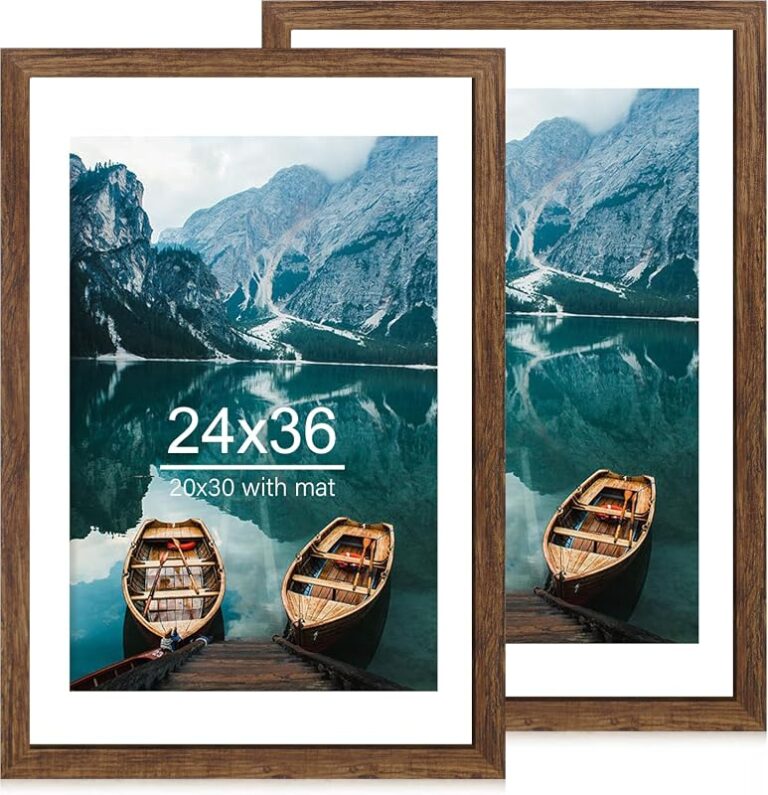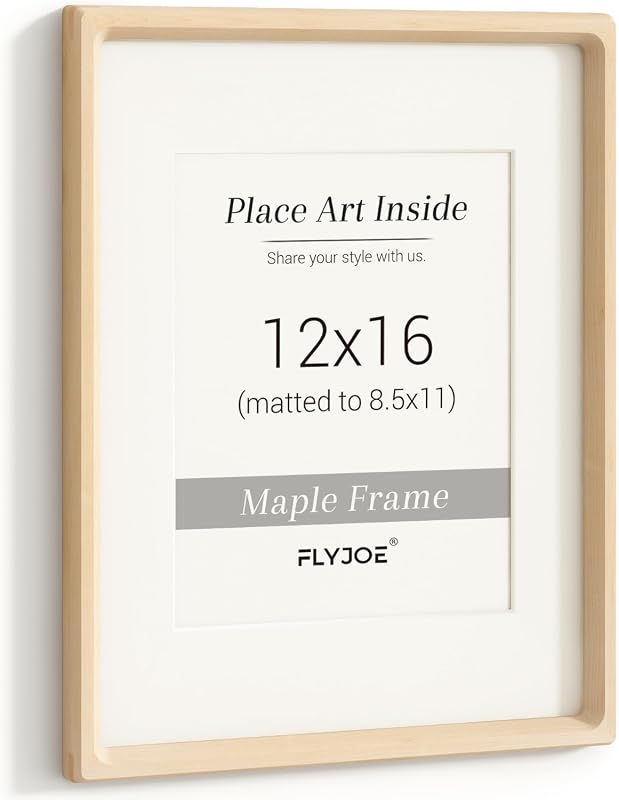
Natural Wood Picture Frames


Several natural wood picture frames displayed with a clean, minimal look
Natural wood picture frames are a strong choice when you want warmth, texture, and a timeless rustic look. The best results come from matching the frame material, size, and finish to the room, artwork, and lighting conditions.
natural wood picture frames bring warmth, texture, and an easy rustic finish to art, photos, and family keepsakes. If you want a frame style that feels relaxed but still polished, this guide walks through how to choose, size, style, and care for them with confidence.
- Best fit: Rustic, farmhouse, Scandinavian, and transitional rooms benefit most from natural wood.
- Material matters: Solid wood, veneer, reclaimed wood, and engineered frames each offer different tradeoffs.
- Size first: Frame scale, matting, and spacing shape how polished the display feels.
- Check the specs: Glazing, backing, and hanging hardware should suit the wall and artwork.
What Natural Wood Picture Frames Are and Why They Suit Rustic Interiors
Natural wood picture frames are frames that keep the wood’s visible grain, tone, and character front and center rather than covering it with opaque paint. The look can range from pale oak and birch to deeper walnut, weathered pine, or reclaimed timber, but the shared thread is a finish that lets the material read as wood.
For rustic interiors, that matters because rustic design depends on texture, authenticity, and materials that feel grounded. A natural wood frame tends to read as softer and more organic than metal, and less uniform than painted composite, which makes it especially useful in rooms that already use linen, stone, woven baskets, or matte ceramics.
How natural wood frames differ from painted, metal, and composite alternatives
Painted frames are usually chosen for color control. They can disappear into a wall or create a crisp contrast, but they often lose the visible grain that gives wood its warmth. Metal frames, by contrast, lean cleaner and more contemporary, and they usually feel cooler in tone, even when the finish is black or bronze.
Composite frames can be practical and budget-friendly, but they vary widely in construction and may not offer the same tactile depth as real wood. If you want the frame itself to contribute to the room’s atmosphere, natural wood usually does more visual work than a flat painted or synthetic option.
That does not mean wood is always the best choice. If you need a very precise color match, a moisture-resistant frame for a humid area, or a highly minimal gallery look, another material may be more suitable. The best frame is the one that supports the artwork and the room rather than competing with either.
Why they work so well in rustic, farmhouse, Scandinavian, and transitional rooms
Rustic rooms often rely on visible material character, so a natural wood frame feels at home almost immediately. Farmhouse interiors benefit from the same quality, especially when the frame finish is lightly distressed, brushed, or softly matte rather than glossy.
Scandinavian rooms use wood differently: the goal is typically calm, light, and restraint. A pale natural frame can echo oak floors, birch furniture, or ash accents without making the room feel heavy. Transitional rooms benefit because natural wood bridges traditional and modern pieces with very little effort.
Think of a natural wood frame as the visual equivalent of linen or unfinished pottery: quiet, tactile, and easy to layer into many room styles.
How to Choose the Right Natural Wood Picture Frame for Your Space
The right frame depends on more than appearance. You will get the best result by balancing material, profile, finish, glazing, and hardware with the size of the artwork and the conditions of the room.
Key materials to look for: solid wood, veneer, reclaimed wood, and engineered options
Solid wood frames are the most straightforward choice when you want authentic grain and a substantial feel. They can be more expensive, but they often age well and offer a more natural look at the corners and edges. If you want to understand the difference more deeply, Hurrell Editions also covers solid wood picture frames in a separate guide.
Veneer frames use a thin layer of real wood over another core material. They can still look attractive and may offer a more accessible price point, but the quality depends heavily on how well the veneer is applied and sealed. Reclaimed wood brings extra character, including knots, tonal shifts, and weathering, though that same variation can make matching multiple frames more difficult.
Engineered options may use fiberboard, MDF, or another core with a wood-look finish or a thin wood surface. These can be useful when you need consistency across several frames, but buyers should check how the product is described by the manufacturer, because “wood” can mean very different things from one listing to another.
Important specifications: frame profile, finish, glazing, backing, and hanging hardware
Frame profile refers to the width and depth of the frame border. A narrow profile can feel lighter and more modern, while a wider profile looks more substantial and can suit larger artwork or traditional rustic rooms. Depth matters too, especially if you are framing a canvas or thicker mount.
Finish affects both appearance and maintenance. Matte or satin finishes usually feel more natural and show fewer reflections than glossy coatings. Glazing is the clear front layer; glass offers a classic feel, while acrylic can be lighter and may be preferable for larger frames or some wall placements, depending on the product. Backing should hold the artwork securely and make it easy to insert or change pieces without bending the frame.
Hanging hardware is worth checking before you buy. Look for hardware that matches the frame size and the wall type you plan to use. For larger or heavier pieces, confirm the manufacturer’s guidance and consider professional installation if the wall material or weight load is uncertain.
What to look for in build quality, sustainability, and long-term value
Good build quality usually shows up in the corners, the consistency of the finish, and the way the backing fits. If corners look uneven or the frame feels loose when handled, it may not hold up well over time. A well-made natural wood frame should feel stable and finished, not fragile or overly decorative for its own sake.
Sustainability is more than a marketing word. If it matters to you, look for clear information about wood sourcing, reclaimed content, low-VOC finishes, or responsible manufacturing practices. When those details are not listed, it is reasonable to check the retailer or manufacturer page directly before buying.
- Confirm whether the frame is solid wood, veneer, reclaimed wood, or engineered construction
- Check the profile depth, glazing type, and included hanging hardware
- Match the finish to the room’s wood tones and light level
- Review the manufacturer’s care instructions and wall-mount guidance
Best Frame Sizes, Matting, and Proportions for Wall Art and Photos
Size is where many frame purchases succeed or fail. A natural wood frame can look elegant in almost any room, but only if the proportions fit the artwork and the wall.
Choosing the right size for prints, canvases, certificates, and family photos
For prints and photographs, the frame should usually relate to the image size and the wall scale at the same time. Small prints can feel lost in a large room unless they are grouped, while oversized art may need a wider frame border to avoid looking visually thin. Certificates and documents often benefit from a more restrained frame profile that keeps the presentation clean and formal.
Canvases require special attention because the frame needs enough depth to accommodate the stretched surface. If you are framing a canvas, verify that the frame is meant for that format rather than assuming any wood frame will work. For family photos, the goal is usually balance: a frame should support the image without overpowering faces or soft details.
For room-specific inspiration, readers often compare frame scale with other display formats such as large wooden picture frames or broader wall arrangements like picture frames collage wall decor.
When to use a mat and how it changes visual balance
A mat creates breathing room around the image and can make a smaller print feel more intentional. It also helps separate the artwork from the frame, which is useful when the wood tone is strong or the image has a lot of detail near the edges. A mat can make rustic framing feel more refined without losing warmth.
Use a mat when the artwork needs more presence, when the image is small relative to the frame, or when you want a classic gallery effect. Skip the mat when you want a more direct, casual look or when the piece already fills the frame beautifully. White or off-white mats are the most versatile, but warmer tones may suit rustic rooms better depending on the print.
If you are unsure about matting, compare the artwork against the frame in a simple mockup or with paper cut to size. That often makes the proportion issue obvious before you buy.
Spacing, alignment, and layout tips for single frames and gallery wall sets
Single frames look strongest when they have enough visual space around them. A small frame placed too high or too close to furniture can feel accidental, while a properly centered frame can anchor the room. As a general styling principle, align the frame with nearby furniture edges or the room’s main sightline rather than placing it wherever the wall happens to be empty.
Gallery walls need consistency in spacing more than strict uniformity in frame size. Keep gaps even, repeat one or two wood tones, and use a common visual thread such as black-and-white images or similarly toned mats. If you want a more structured approach, Hurrell Editions has a useful guide to picture ledge wall shelf styling and another on how to arrange frames on a picture ledge without clutter.
- Use one frame tone for cohesion, then vary artwork or photo content
- Keep spacing consistent in gallery walls even when frame sizes differ
- Let larger pieces sit lower near furniture for a grounded look
- Use mats to unify mixed image sizes
Where Natural Wood Picture Frames Work Best in the Home
Natural wood frames are versatile enough for most rooms, but they do their best work where warmth and texture matter. The key is to match the frame’s tone and scale to the room’s function and light.
Living rooms, bedrooms, hallways, kitchens, and home offices
Living rooms are often the easiest place to use natural wood because the frame can echo furniture, shelving, or flooring. In bedrooms, the softer tone of wood helps create a calmer and more personal feeling, especially when paired with quiet artwork or family photos.
Hallways are ideal for gallery sequences because wood frames help create rhythm along a long wall. Kitchens can also work well, particularly with botanical prints, food photography, or heritage-style imagery, though the frame finish should be easy to maintain. In home offices, natural wood frames soften the harder edges of desks, monitors, and task lighting.
Matching wood tone to existing furniture, flooring, trim, and decor style
The easiest way to choose a tone is to look at what already dominates the room. If the flooring is light oak, a similarly light frame can feel seamless, while a darker walnut frame may create a stronger focal point. Trim and cabinetry matter too, especially in rooms where built-ins or window casings are visually prominent.
Matching does not mean exact matching. In many rooms, a frame that is slightly lighter or slightly darker than the surrounding wood feels more natural than a near-match that looks forced. If your room already has several wood species, choose the frame tone that best complements the largest surface area rather than the smallest accent.
Room-by-room styling ideas for a cohesive rustic look
In a living room, pair a natural frame with landscape art, vintage-inspired prints, or black-and-white photography for a classic rustic feel. In a bedroom, use softer imagery and simpler matting so the frame supports relaxation rather than creating visual noise.
For hallways, repeat the same frame finish across a series of family photos or travel prints to make the passage feel curated. In kitchens, keep the scale modest and the composition clean. In home offices, one or two well-placed frames can make the space feel more personal without distracting from work.
Styling Ideas for Natural Wood Picture Frames in 2026
In 2026, the strongest frame styles lean toward warmth, simplicity, and materials that feel lived-in rather than overly polished. Natural wood fits that direction well because it works in both pared-back and layered interiors.
Minimal rustic, modern organic, and layered gallery wall approaches
Minimal rustic styling uses simple frames, restrained artwork, and generous negative space. The frame becomes a quiet accent rather than the main event. Modern organic styling goes a step further by combining wood with linen textures, curved objects, and neutral palettes that still feel contemporary.
Layered gallery walls are more expressive. They mix frame sizes, image types, and sometimes different wood tones, while still staying cohesive through repeated spacing or a common color family. The trick is to keep one element consistent so the wall feels collected rather than chaotic.
How to combine frames with botanical prints, black-and-white photography, and family portraits
Botanical prints and natural wood are an easy pairing because both lean organic. Black-and-white photography also works well because the frame adds warmth while the image keeps the overall look crisp. Family portraits benefit from wood when you want the display to feel personal and timeless rather than formal or overly modern.
If you are mixing all three, keep the frame tone consistent and vary the artwork by subject rather than by finish. That creates a calmer wall and helps the viewer read the content of the images instead of getting distracted by the frame differences.
Using natural wood frames to soften bold artwork or add warmth to neutral spaces
Bold artwork can sometimes feel too sharp when paired with black or metallic frames. Natural wood softens the edges and adds a more approachable quality, especially when the art uses saturated color or strong geometry. The wood acts like a visual buffer.
In neutral rooms, wood frames keep the palette from feeling flat. A room full of beige, cream, gray, or white can benefit from the grain and tonal variation of natural wood, which introduces texture without requiring bright color.
Wood grain is one reason two frames labeled the same finish can still look slightly different; natural variation is part of the material, not always a defect.
Benefits and Limitations of Natural Wood Picture Frames
Natural wood frames are popular for good reasons, but they are not perfect for every situation. A balanced view helps you avoid disappointment and choose the right frame for the right room.
Advantages: warmth, versatility, timeless appeal, and texture
The biggest advantage is warmth. Wood brings a human, tactile quality that many other frame materials do not match. It also works across a wide range of aesthetics, from rustic and farmhouse to Scandinavian and transitional, which makes it easier to reuse in future rooms.
Natural wood also has timeless appeal. Trends may shift toward lighter or darker tones, but the basic character of wood remains familiar and enduring. Texture is another plus: grain adds depth, especially in rooms that otherwise rely on smooth surfaces like painted drywall, glass, and tile.
Potential drawbacks: color variation, grain inconsistency, moisture sensitivity, and price differences
Because wood is a natural material, variation is normal. Two frames in the same finish may still look slightly different, and that can be frustrating if you want a highly matched set. Grain can also be inconsistent, which is part of the charm for some buyers but a drawback for others.
Moisture sensitivity is another consideration. Wood is generally not the best choice for damp spaces unless the manufacturer specifically says it is suitable for that environment. Price differences can be significant as well, depending on whether the frame is solid wood, reclaimed, veneer, or engineered construction. When current pricing matters, confirm it before buying because it changes by size, retailer, and finish.
- Adds warmth and texture to a room
- Fits rustic, farmhouse, Scandinavian, and transitional styles
- Feels timeless rather than trend-driven
- Pairs well with many kinds of art and photography
- Color and grain can vary from frame to frame
- May be less suitable in humid areas
- Higher-quality wood frames can cost more
- Some finishes may need more care than metal or composite options
When natural wood is the better choice versus when another frame material may work better
Choose natural wood when you want the frame to add warmth, when the room already uses organic materials, or when the artwork needs a softer presentation. It is especially strong for homes that lean rustic, casual, or quietly refined.
Choose another material when you need maximum consistency, a specific color match, or a frame for a challenging environment. Metal may work better for a sleek modern room, while acrylic or another lighter material may be preferable for some larger displays, depending on the product and wall conditions.
Care, Maintenance, and Common Mistakes to Avoid
Good care helps a wood frame stay attractive longer, but the routine is usually simple. Most problems come from placement, humidity, or buying the wrong size rather than from the frame itself.
Cleaning methods, dusting routines, and finish protection
Dust the frame regularly with a soft, dry cloth or a gentle microfiber cloth. Avoid harsh cleaners unless the manufacturer specifically approves them, because strong chemicals can dull or damage the finish. If the frame has a protective coating, treat it gently and avoid scrubbing at the grain.
If you are unsure about a finish, check the product care instructions from the retailer or manufacturer. That is especially important for reclaimed or hand-finished frames, where surface treatments can vary from one model to another.
Humidity, sunlight, and placement considerations for preserving wood frames
Wood is sensitive to moisture and prolonged environmental stress. Keep frames away from damp walls, direct steam, and areas where humidity changes sharply unless the product is explicitly rated for those conditions. Sunlight can also affect both the frame and the artwork, so consider placement carefully if the wall receives strong daily light.
If a frame will hang near a window, kitchen heat source, or humid bathroom area, check the manufacturer’s placement guidance first. Direct sun and moisture can change the finish, warp the wood, or fade the artwork over time.
Common buying and styling mistakes: wrong scale, mismatched tones, poor spacing, and weak hardware
Wrong scale is the most common mistake. A frame that is too small can make a wall feel unfinished, while one that is too large can overwhelm the art. Mismatched tones are another issue, especially when buyers assume all “natural wood” finishes will coordinate automatically.
Poor spacing can make even beautiful frames look cluttered. In gallery walls, consistency matters more than perfection. Weak hardware is the last major avoidable problem: always confirm that the included hanging system suits the frame size and your wall type. If the frame is large or heavy, review the product listing carefully and consider professional help when needed.
- Measure the wall and artwork before choosing the frame size
- Match the frame tone to existing wood in the room
- Check hanging hardware and wall compatibility
- Use consistent spacing in group displays
- Buying by finish name alone without checking photos and specs
- Hanging a heavy frame with undersized hardware
- Mixing too many wood tones in one small display
- Ignoring humidity or direct-sun exposure
Final Verdict: Who Should Buy Natural Wood Picture Frames in 2026
Natural wood picture frames are best for people who want their art, photos, or keepsakes to feel warm, grounded, and easy to live with. They are a strong fit for homeowners styling rustic or transitional rooms, renters who want a softer wall display, and gift buyers looking for something timeless rather than trendy.
Best fit for homeowners, renters, gift buyers, and anyone styling rustic or warm interiors
Homeowners can use natural wood to connect wall art with flooring, furniture, and trim. Renters often appreciate that the style works with many decor directions, so it can move from one apartment to another without feeling out of place. Gift buyers may find it especially useful for weddings, housewarmings, graduations, and family-photo gifts because it feels personal without being overly specific.
Value recommendation and the most practical buying priorities for Hurrell Editions readers
If you are comparing options, prioritize construction first, then size, then finish. In practical terms, that means checking whether the frame is solid wood or veneer, confirming the glazing and backing, and making sure the profile suits the artwork before worrying about decorative details.
For Hurrell Editions readers, the most practical recommendation is simple: choose natural wood when you want warmth, texture, and long-term styling flexibility, but verify the exact material and hardware before buying. That approach gives you the rustic look you want without sacrificing fit, durability, or ease of use.
Frequently Asked Questions
They work especially well in living rooms, bedrooms, hallways, kitchens, and home offices. The warm grain helps soften neutral rooms and complements rustic or transitional decor.
Match the frame to the artwork size and the wall scale at the same time. Large walls usually need larger frames or grouped arrangements, while small prints often benefit from matting.
Solid wood offers the most authentic look, while veneer and engineered options can be more accessible or consistent. Reclaimed wood adds character, but the grain and color may vary more from piece to piece.
Dust them with a soft dry cloth and avoid harsh cleaners unless the manufacturer approves them. Keep them away from excess humidity and prolonged direct sunlight to help protect the finish and artwork.
They can be a strong value if you want a timeless frame that works in many rooms and styles. Confirm the exact construction, hardware, and care instructions before buying because quality and price vary by model.
Avoid choosing the wrong scale, mixing too many wood tones in a small display, and using weak hanging hardware. Even a beautiful frame can look off if spacing and proportions are not planned carefully.